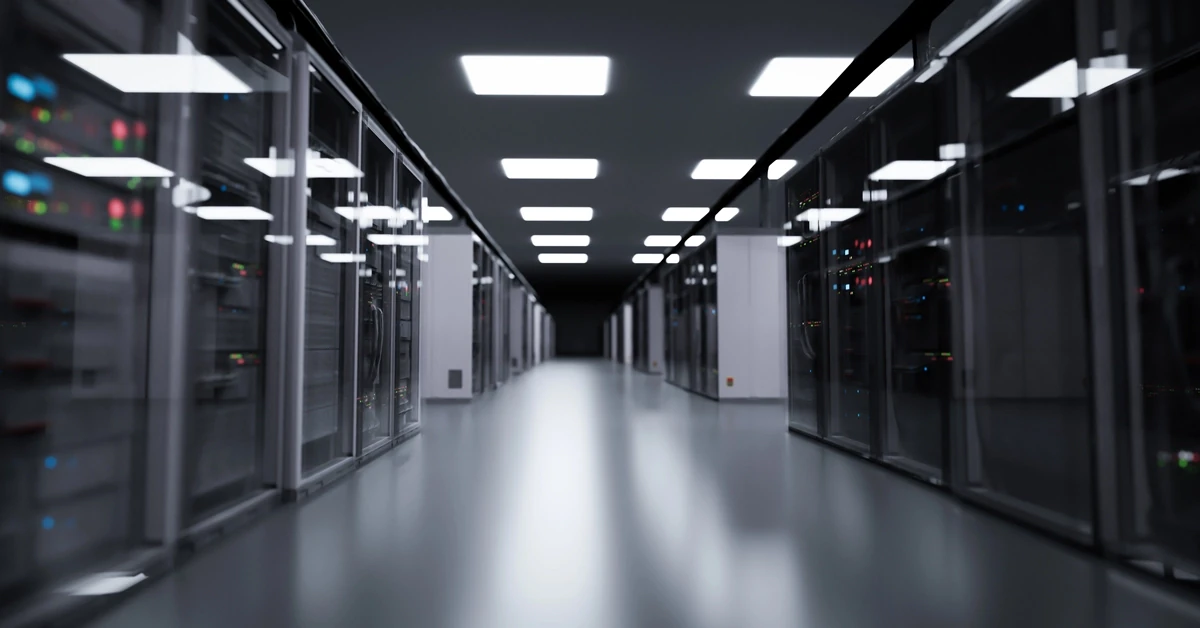
A data center is where a business’s information technology operations are consolidated in one place. Data centers make it possible to collect, archive, store, and distribute large volumes of data. Having existed in various forms since the invention of the computer, data centers today offer businesses a wide range of solutions built on advanced infrastructure. These facilities typically house hardware such as computers and networking technologies. The technical specifications of their mechanical, electrical, and security systems can vary depending on how critical the data stored or processed in the data center is. The elements found in a data center include routers, power supplies, communication links, switches, storage systems, servers, security appliances used to minimize the risk of external threats, and application delivery controllers. These are solutions designed to meet all of the requirements a business has for its IT department. Operating 24/7 without interruption, these facilities are backed by robust infrastructure and house thousands of servers. This enables businesses to keep their data secure.
Why Should Businesses Choose Data Center Solutions?
Known as the heart of the data center, white spaces are dedicated areas that contain specialized cabinets, computers, and networking technologies and are climate-controlled using a purpose-built cooling method designed to keep the system running efficiently. For organizations, the most important function of these spaces is to ensure that the servers they house operate smoothly and consistently at all times. Some data centers offer businesses dedicated, non-shared data center space prepared specifically for them, while others are used solely for hosting services. Dedicated data centers are configured for a single service only and host no other servers.
Today, any business in any industry generates and uses a wide variety of data over time. Businesses need data centers to ensure the confidentiality, security, and storage of this data and to run it on servers. Government agencies, educational institutions, hospitals, banks, telecommunications companies, retail stores, and financial institutions are examples of sectors that take the most extensive data security measures. Situations such as data loss, slow data transmission, or lack of access to data are critical for businesses. Essential for many industries and for businesses of every size, data centers not only provide protection but also strengthen customers’ sense of trust and loyalty, enabling businesses to generate profit. By protecting their data with a data center, businesses can safeguard both their own data and that of their customers. This contributes to higher user satisfaction and financial gain.
What Advantages Does a Data Center Offer Organizations?
Organizing and storing an organization’s data and backing it up at regular intervals is important for the organization’s security. Data centers configured for the applications of an organization’s IT department meet many of its needs. They ensure that activities across many areas run smoothly, including email and file sharing, customer relationship management, enterprise resource planning, database management, firewall installation and configuration management, and corporate communication and collaboration. This makes it possible to provide storage space for data transfers both within and outside the organization. Delivering top performance in terms of network hardware and components, data centers save data even if an outage occurs on the network, preventing it from being lost. Thanks to data center spaces that are managed in a controlled manner, the data of any application created on the network is automatically synchronized and saved through the system. As a result, organizations can protect their data securely without worrying about insufficient storage space or data deletion.